In this blog post of MAAC Kolkata, you are taken to the myriad world of Anime and cartoons.
Here you can get a lucid understanding of the difference between Anime and Cartoons.

This topic is presented to the experts as well as the beginners to give an idea of the distinction between facial expressions and Animation techniques.
Introduction to Anime

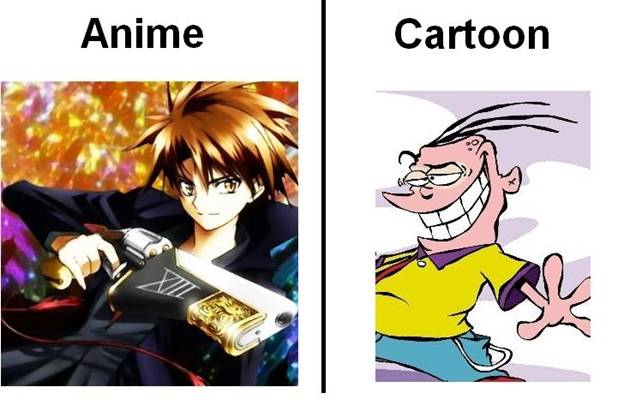
Anime outlines and illustrations are referred to be overstated the extent that physical highlighting features are concerned.
Typically, one can separate an anime by watching the physical qualities of the characters which would incorporate “expansive eyes, enormous hair and prolonged appendages”, and “drastically molded discourse bubbles, speed lines and onomatopoeic, exclamatory typography.”
Anime is Japanese Animation in basic terms.

These can be hand-drawn or computer animated.
Initially, a significant number of these Animations were hand drawn, yet with the expanding utilization of advancements, these are currently generally made utilizing PCs.
Anime incorporates vivified and animated TV arrangement, funnies, short movies and full-length include films.
The word ‘anime’ has been acquired from ‘Animation‘.
Anime is frequently connected with beautiful illustrations, energetic characters, and awesome subjects.
The most punctual Japanese Animation can be gone back to 1917, however, ended up well known outside of Japan in the 1980s.
Anime is focused towards more high scholar to a grown-up gathering of people, where the storylines have a more developed subject.
Be that as it may, with the expanding fame, numerous anime are additionally being created for youngsters.
Anime characters are attracted to more practical extents, however, new anime has set a more accentuation on the eyes and have made them greater.
Anime subjects are additionally viewed as rougher and cover a wide range of sorts of points that are not appropriate for kids.
The significant distinction amongst toon and anime in this day and age lies in that kid’s shows have progressed toward becoming related with youngsters, while anime is viewed as more appropriate for grown-ups.
Kid’s shows additionally have unreasonable situations and characters, for example, a talking mouse, while anime are arranged more towards practical yet may likewise consolidate enchantment and other such things.
Be that as it may, again this relies upon the maker of the show and isn’t utilized as a proper arrangement.
The lines between both of these have been made by numerous darlings out there so recommending that anime is a sort of cartoon has turned into a strict no-no among these individuals.
Prologue to Cartoons

Kid’s shows, be that as it may, inexact reality somewhat more contrasted with anime and convey hints of everyday life in them.
Striking similarities to people can be seen in different kid’s shows.
Notwithstanding, kid’s shows are still cartoons; so they regularly veer from reality e.g. Marge Simpson’s hair.
A toon is just a two-dimensional visual craftsmanship.
Initially, the term was utilized as a part of the Middle East to allude to a preliminary illustration for a bit of workmanship, for example, a sketch, fresco, embroidered artwork, or recolored glass window.
Toon and anime have been the subject of different civil arguments since anime ended up prominent in the western nations.
Numerous individuals express that there is no contrast amongst anime and toon, while others express these are totally two unique classifications.

This is an extremely sensitive subject as there is no official outline where toon closures and anime starts.
Subsequently, these lines are obscured and traversed numerous circumstances.
Anime is really a sort of toon, however, in this day and age it has ventured far from this title and has made its own class in Animation.
A toon is basically a two-dimensional visual craftsmanship.
Nowadays kid’s shows are the non-reasonable or semi-sensible illustration or painting that is planned for parody, cartoons or amusingness.
The cartoons can likewise be utilized to allude to the one or three-board strips that are found in daily papers and magazines.
Numerous cartoons nowadays have progressed toward becoming related with youngsters and have likewise been planned with comparative plot lines that are worthy for kids.
Numerous toons cover the idea of good versus underhanded or have ethics toward the finish of the stories keeping in mind the end goal to show kids certain esteems.
Distinction in Facial Expressions

Outward appearances for anime characters are frequently extraordinary in shape than their partners in Western Animation.
For instance, Embarrassed or focused on characters deliver a huge sweat-drop (which has turned out to be a standout amongst the most generally perceived themes of ordinary anime).
Characters that are stunned or astonished play out a “face blame”, in which they show a to a great degree misrepresented demeanor.
Irate characters may show a “vein” or “stress stamp” impact, where lines speaking to protruding veins will show up on their brow.
Irate ladies will now and then summon a hammer from no place and hit another character with it, for the most part of the entertainment.
Male characters will build up a bleeding nose around their female love interests, normally to demonstrate excitement.

Akanbe
Characters who need to immaturely insult somebody may pull an “akanbe” look by pulling an eyelid down with a finger to uncover the red underside.
Anime Contrary to Cartoons Animation Techniques
Cartoon Animation Kolkata
Anime and cartoons both utilize customary Animation creation procedures of storyboarding, voice acting, character outline and cel production.
Anime is frequently viewed as a type of restricted Animation i.e. normal parts are re-utilized between outlines as opposed to drawing each casing.
This tricks the eye into speculation there is more development than there is, and brings down production costs because fewer casings should be drawn.
Anime scenes put an accentuation on accomplishing three-dimensional perspectives. Foundations delineate the scenes’ air.

For instance, anime frequently puts accentuation on evolving seasons, as can be found in various anime, for example, Tenchi Muyo.
Final Dictum
Kid’s shows are normally planned to incite giggling; in this manner rotate around diverting ideas.
There are a few kid’s shows in the market that are instructive in nature while holding their interesting characteristics that are by and large focused towards babies and children.
Anime films don’t generally take a general idea.
Their stories can run from privateer assaults to entertaining undertakings to stories of samurais.
The larger part of anime motion pictures and shows separate themselves from their American partners by making a plot that stays set up all through the whole arrangement, demonstrating watchers ethics and a specific level of unpredictability.
So, Anime is gone for individuals with longer capacities to focus who get a kick out of the chance to see a plot disentangle over different scenes.
Topics and Themes
On one hand Anime focuses mostly on life issues or items that is tied closer to human emotion.
Besides human emotion, Anime also concentrates on aggressive and sexual themes.
Contrary to Anime, Cartoons are usually produced in order to make people laugh.
Thereby it becomes somewhat comical.
Length of Anime and Cartoons

As per the episodic structure of an Anime, the span is 22-25 minutes in length per every episode.
Although action Anime movies spans more than that mentioned time length, yet the time is maintained on the front of Anime series.
On the other hand, Cartoons varies from 5minutes to even hours.
Still want to grab more of Anime and Cartoons, then for what are you waiting?
Don’t miss the golden chance at MAAC Chowringhee, MAAC Rashbehari and MAAC Ultadanga and register as soon as possible.
Here you can get a lucid understanding of the difference between Anime and Cartoons.
This topic is presented to the experts as well as the beginners to give an idea of the distinction between facial expressions and Animation techniques.
Introduction to Anime
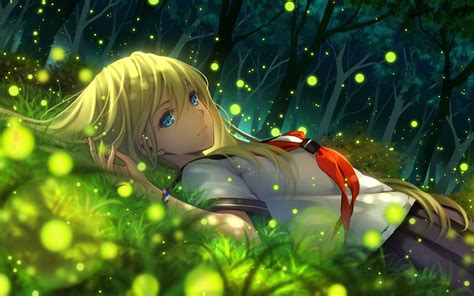
Anime outlines and illustrations are referred to be overstated the extent that physical highlighting features are concerned.
Typically, one can separate an anime by watching the physical qualities of the characters which would incorporate “expansive eyes, enormous hair and prolonged appendages”, and “drastically molded discourse bubbles, speed lines and onomatopoeic, exclamatory typography.”
Anime is Japanese Animation in basic terms.

These can be hand-drawn or computer animated.
Initially, a significant number of these Animations were hand drawn, yet with the expanding utilization of advancements, these are currently generally made utilizing PCs.
Anime incorporates vivified and animated TV arrangement, funnies, short movies and full-length include films.
The word ‘anime’ has been acquired from ‘Animation‘.
Anime is frequently connected with beautiful illustrations, energetic characters, and awesome subjects.
The most punctual Japanese Animation can be gone back to 1917, however, ended up well known outside of Japan in the 1980s.
Anime is focused towards more high scholar to a grown-up gathering of people, where the storylines have a more developed subject.
Be that as it may, with the expanding fame, numerous anime are additionally being created for youngsters.
Anime characters are attracted to more practical extents, however, new anime has set a more accentuation on the eyes and have made them greater.
Anime subjects are additionally viewed as rougher and cover a wide range of sorts of points that are not appropriate for kids.
The significant distinction amongst toon and anime in this day and age lies in that kid’s shows have progressed toward becoming related with youngsters, while anime is viewed as more appropriate for grown-ups.
Kid’s shows additionally have unreasonable situations and characters, for example, a talking mouse, while anime are arranged more towards practical yet may likewise consolidate enchantment and other such things.
Be that as it may, again this relies upon the maker of the show and isn’t utilized as a proper arrangement.
The lines between both of these have been made by numerous darlings out there so recommending that anime is a sort of cartoon has turned into a strict no-no among these individuals.
Prologue to Cartoons

Kid’s shows, be that as it may, inexact reality somewhat more contrasted with anime and convey hints of everyday life in them.
Striking similarities to people can be seen in different kid’s shows.
Notwithstanding, kid’s shows are still cartoons; so they regularly veer from reality e.g. Marge Simpson’s hair.
A toon is just a two-dimensional visual craftsmanship.
Initially, the term was utilized as a part of the Middle East to allude to a preliminary illustration for a bit of workmanship, for example, a sketch, fresco, embroidered artwork, or recolored glass window.
Toon and anime have been the subject of different civil arguments since anime ended up prominent in the western nations.
Numerous individuals express that there is no contrast amongst anime and toon, while others express these are totally two unique classifications.

This is an extremely sensitive subject as there is no official outline where toon closures and anime starts.
Subsequently, these lines are obscured and traversed numerous circumstances.
Anime is really a sort of toon, however, in this day and age it has ventured far from this title and has made its own class in Animation.
A toon is basically a two-dimensional visual craftsmanship.
Nowadays kid’s shows are the non-reasonable or semi-sensible illustration or painting that is planned for parody, cartoons or amusingness.
The cartoons can likewise be utilized to allude to the one or three-board strips that are found in daily papers and magazines.
Numerous cartoons nowadays have progressed toward becoming related with youngsters and have likewise been planned with comparative plot lines that are worthy for kids.
Numerous toons cover the idea of good versus underhanded or have ethics toward the finish of the stories keeping in mind the end goal to show kids certain esteems.
Distinction in Facial Expressions

Outward appearances for anime characters are frequently extraordinary in shape than their partners in Western Animation.
For instance, Embarrassed or focused on characters deliver a huge sweat-drop (which has turned out to be a standout amongst the most generally perceived themes of ordinary anime).
Characters that are stunned or astonished play out a “face blame”, in which they show a to a great degree misrepresented demeanor.
Irate characters may show a “vein” or “stress stamp” impact, where lines speaking to protruding veins will show up on their brow.
Irate ladies will now and then summon a hammer from no place and hit another character with it, for the most part of the entertainment.
Male characters will build up a bleeding nose around their female love interests, normally to demonstrate excitement.

Akanbe
Characters who need to immaturely insult somebody may pull an “akanbe” look by pulling an eyelid down with a finger to uncover the red underside.
Anime Contrary to Cartoons Animation Techniques
Cartoon Animation Kolkata
Anime and cartoons both utilize customary Animation creation procedures of storyboarding, voice acting, character outline and cel production.
Anime is frequently viewed as a type of restricted Animation i.e. normal parts are re-utilized between outlines as opposed to drawing each casing.
This tricks the eye into speculation there is more development than there is, and brings down production costs because fewer casings should be drawn.
Anime scenes put an accentuation on accomplishing three-dimensional perspectives. Foundations delineate the scenes’ air.

For instance, anime frequently puts accentuation on evolving seasons, as can be found in various anime, for example, Tenchi Muyo.
Final Dictum
Kid’s shows are normally planned to incite giggling; in this manner rotate around diverting ideas.
There are a few kid’s shows in the market that are instructive in nature while holding their interesting characteristics that are by and large focused towards babies and children.
Anime films don’t generally take a general idea.
Their stories can run from privateer assaults to entertaining undertakings to stories of samurais.
The larger part of anime motion pictures and shows separate themselves from their American partners by making a plot that stays set up all through the whole arrangement, demonstrating watchers ethics and a specific level of unpredictability.
So, Anime is gone for individuals with longer capacities to focus who get a kick out of the chance to see a plot disentangle over different scenes.
Topics and Themes
On one hand Anime focuses mostly on life issues or items that is tied closer to human emotion.
Besides human emotion, Anime also concentrates on aggressive and sexual themes.
Contrary to Anime, Cartoons are usually produced in order to make people laugh.
Thereby it becomes somewhat comical.
Length of Anime and Cartoons

As per the episodic structure of an Anime, the span is 22-25 minutes in length per every episode.
Although action Anime movies spans more than that mentioned time length, yet the time is maintained on the front of Anime series.
On the other hand, Cartoons varies from 5minutes to even hours.
Still want to grab more of Anime and Cartoons, then for what are you waiting?
Don’t miss the golden chance at MAAC Chowringhee, MAAC Rashbehari and MAAC Ultadanga and register as soon as possible.


